Material balance
Modern Organic Interiors Without Making Everything Beige
Natural forms, useful contrast and tactile finishes that feel grounded rather than algorithmically neutral.
Quick answer
How do you create a modern organic room without relying on an all-beige palette?
Natural forms, useful contrast and tactile finishes that feel grounded rather than algorithmically neutral.
- Pair raw with precise. Place visible timber grain, woven fibre or irregular stone beside one exact line: polished metal, clear glass or a sharply cut shelf.
- Use colour as an undertone. Olive, clay, tobacco, faded blue and chalky white all work within a modern organic room.
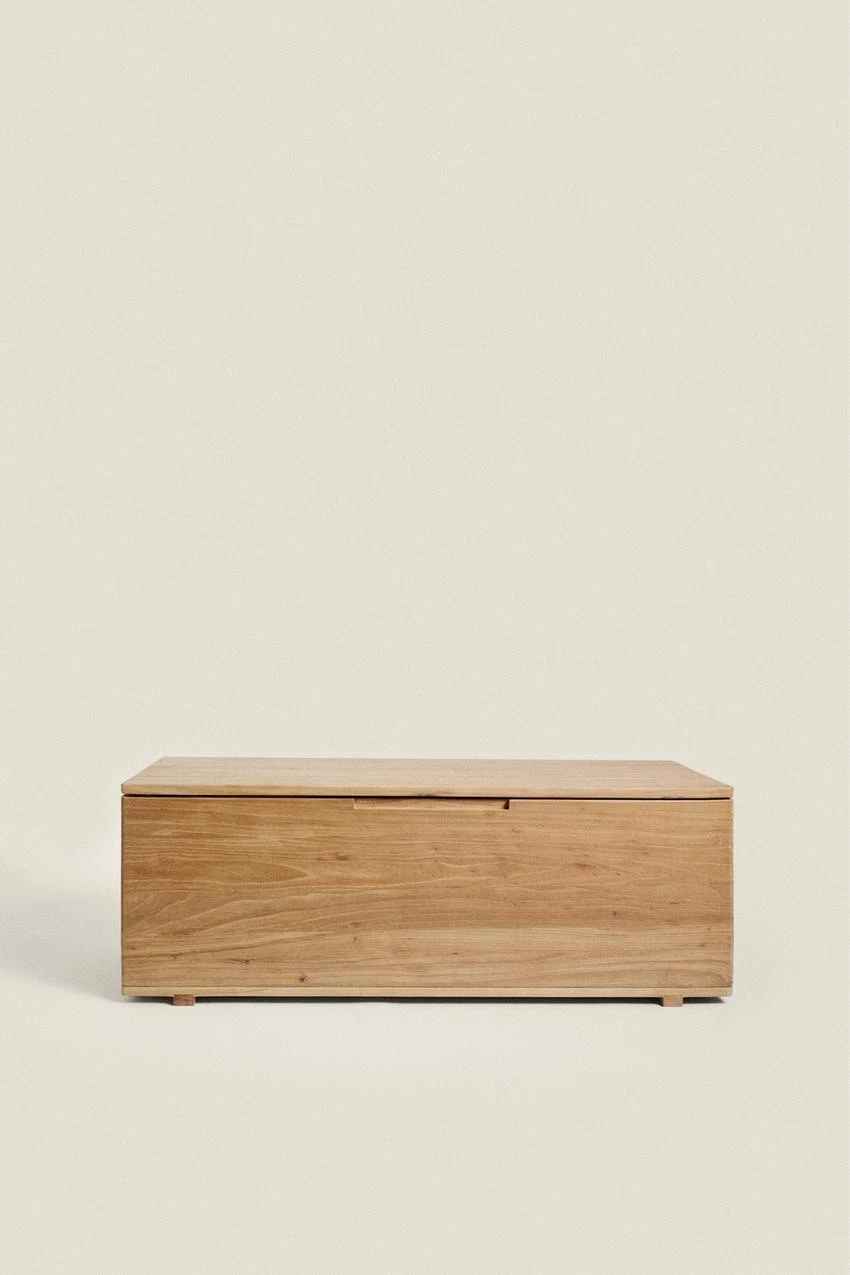
- Keep nature functional. Prioritise pieces that improve how the room works: a timber bench that stores, a woven mirror that carries light or a stoneware bowl used every day.
Start with what needs to work better. Add only what helps.
Pair raw with precise
Place visible timber grain, woven fibre or irregular stone beside one exact line: polished metal, clear glass or a sharply cut shelf. The contrast keeps natural materials from becoming rustic scenery.
Repeat the raw material once and the precise finish once. More repetition can turn a material story into a matching set.
Use colour as an undertone
Olive, clay, tobacco, faded blue and chalky white all work within a modern organic room. Choose one undertone and allow each material to express it differently.
If everything is already pale, introduce a darker timber or metal object before buying another cream textile. Depth often solves what more softness cannot.
Keep nature functional
Prioritise pieces that improve how the room works: a timber bench that stores, a woven mirror that carries light or a stoneware bowl used every day.
Organic style becomes convincing when surfaces age through use. Leave room for patina instead of protecting every object from ordinary life.
Keep it simple
Keep what makes the room easier to use. Everything else can wait.